Oil Painting Techniques: Glazing, Impasto, and Scumbling Explained
Oil painting has long been a medium of rich color, depth, and texture, offering artists a wide range of expressive possibilities. Among the many approaches developed over centuries, three techniques stand out for their distinct visual effects and historical significance: glazing, impasto, and scumbling. Each method alters the way light interacts with the paint surface, creating unique optical results. Understanding how these techniques work can provide a deeper appreciation of classical and contemporary oil painting alike.
These methods are not merely stylistic choices; they involve specific processes of layering, paint consistency, and application. Glazing relies on transparent layers to build luminosity, impasto builds physical texture through thick paint, and scumbling uses opaque, dry-brush strokes to soften edges or modify color. This article explains each technique in a neutral, process-oriented manner, focusing on the materials and steps involved rather than promising particular outcomes. Artists exploring these approaches may find them useful for expanding their own creative vocabulary.
Glazing: Building Depth Through Transparent Layers
Glazing is a technique that involves applying thin, transparent layers of paint over a dried opaque base layer. The effect depends on the optical mixing of colors: light passes through the translucent glaze, reflects off the underlying layer, and then returns through the glaze to the viewer’s eye. This process can create a sense of depth and luminosity that is difficult to achieve through direct mixing alone. Historically, glazing was a hallmark of the Old Masters, who used it to achieve the glowing flesh tones and rich fabrics seen in works from the Renaissance and Baroque periods.
To execute a glaze, an artist typically mixes a small amount of oil paint with a medium such as linseed oil, stand oil, or a commercial glazing medium. The mixture should be fluid but not overly runny, and it is best applied with a soft brush in smooth, even strokes. The underlying layer must be completely dry, which can take several days depending on thickness and environmental conditions. Multiple glazes can be built up one after another, with each layer altering the overall color and tone. Because each glaze is transparent, the artist can adjust the intensity gradually, allowing for fine control over the final appearance.
It is important to note that glazing does not inherently guarantee a specific result; the final effect depends on the opacity of the base layer, the transparency of the glaze, and the number of layers applied. Factors such as the choice of pigment also matter — some colors are naturally more transparent than others. For example, ultramarine blue and alizarin crimson are often used for glazing, while opaque pigments like titanium white require different handling. Artists may experiment with different mediums and drying times to observe how each variable influences the outcome.
Impasto: Creating Texture with Thick Paint
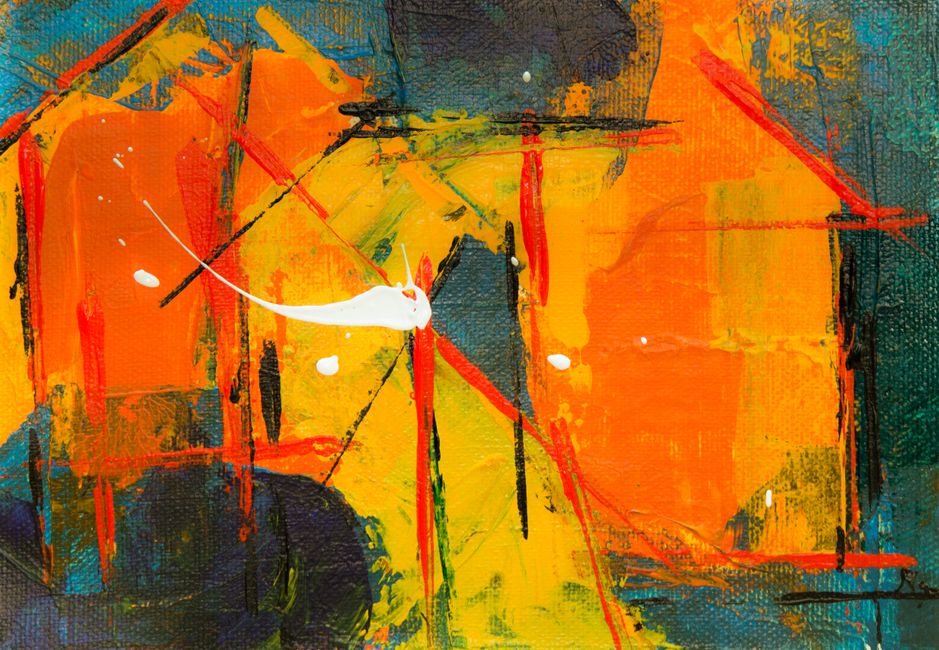
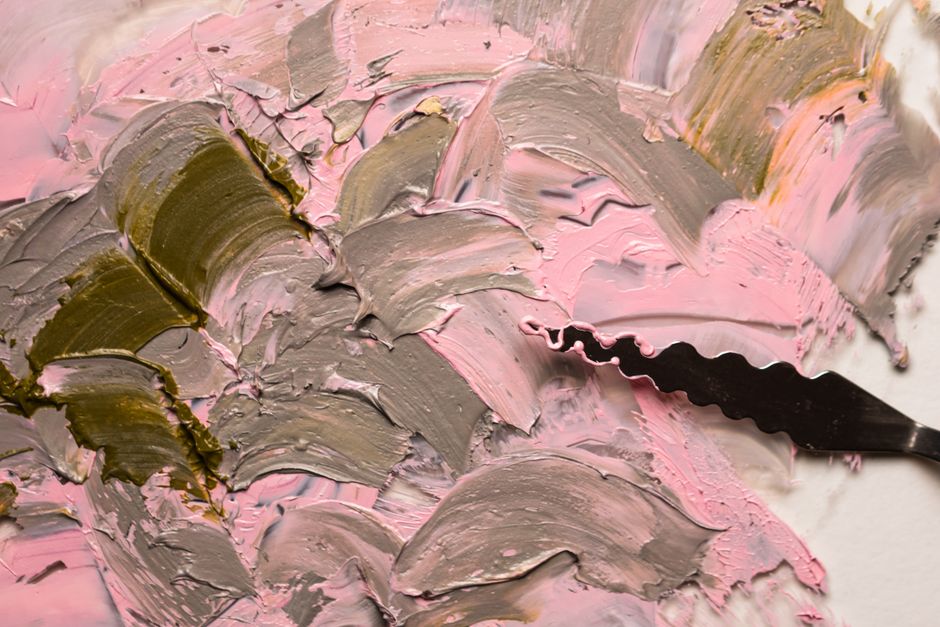
Impasto is a technique where paint is applied thickly onto the canvas, retaining visible brush or palette knife marks. The raised surface catches light in varying ways, adding a tactile, three-dimensional quality to the painting. This method can be used to emphasize certain areas, create dramatic highlights, or convey a sense of energy and movement. Well-known examples include the works of Vincent van Gogh and Rembrandt, who used impasto to enhance the expressive impact of their subjects.
The key to impasto lies in the consistency of the paint. Oil paint straight from the tube is often thick enough, but many artists add a small amount of medium or a thickening agent like beeswax to improve body and stability. A palette knife is a common tool for applying impasto, as it allows for controlled, sculptural strokes, though a stiff-bristled brush can also be effective. The paint should be applied in a manner that holds its shape without sagging. Drying times for impasto layers are longer than for thin applications, as the internal volume of paint requires more time to oxidize.
When working with impasto, consideration of the support is important. A heavy canvas stretched over a sturdy frame or a rigid panel may be preferable, as the mass of paint can cause lighter materials to warp. Additionally, artists should be aware that thick paint may crack if applied over a more flexible ground. Building up a painting gradually, allowing each layer to cure adequately, can help maintain structural integrity. The visual and tactile results of impasto are highly dependent on the direction and pressure of each stroke, making this technique a study in physical engagement with the medium.
Scumbling: Softening and Modifying Color with Dry Brush
Scumbling is a dry-brush technique in which a thin, opaque layer of light paint is dragged over a darker, dried layer. The underlayer remains partially visible through the broken, irregular application of the overlying paint. This method is used to soften edges, reduce contrast, or create atmospheric effects such as mist, haze, or the texture of rough surfaces. Scumbling can also be employed to subtly shift the hue of an area without completely covering it.
The execution of scumbling requires a relatively stiff brush with a small amount of paint, which should be lightly loaded and almost dry. The brush is then dragged across the surface in a wiping or scrubbing motion, leaving behind a thin veil of color. Unlike glazing, scumbling uses opaque paint, so the optical effect is one of physical mixing rather than transparency. The technique works best when the underlying paint is fully dry, as the scumbled layer may otherwise blend into the wet paint and lose its distinctive texture.
Artists often use scumbling to unify disparate areas of a painting or to introduce a cool or warm overlay across a composition. For instance, a light blue scumble over a dark brown underpainting can create a cool, shadowed appearance. The degree of coverage can be controlled by varying the pressure and the amount of paint on the brush. Because scumbling relies on the texture of the brush and the surface, results are somewhat unpredictable and can vary widely from one attempt to another. This variability is part of what makes the technique valuable for achieving organic, non-mechanical effects.
Combining Techniques and Practical Considerations
While glazing, impasto, and scumbling are often discussed separately, many painters integrate them within a single work to exploit their complementary strengths. A common approach is to begin with an underpainting in a monochrome or limited palette, then build up layers using glazes to develop luminosity, apply impasto to certain highlights or focal points, and finally use scumbling to soften transitions or adjust overall tonality. The order in which these techniques are applied can influence the final appearance, as each subsequent layer interacts with those beneath it.
Practical factors such as drying time, medium selection, and surface preparation play a significant role in the success of combined methods. Glazes require patience between layers, while impasto may need several weeks to cure before additional work is possible. Scumbling is often reserved for the final stages, as it can be easily disrupted by subsequent wet applications. Artists may keep a record of their process to replicate or modify techniques in future projects. Experimentation with different brushes, consistencies, and layering sequences can provide insight into how each method interacts.
No single technique guarantees a particular aesthetic outcome; the results depend on the artist’s choices and the inherent unpredictability of the materials. By understanding the processes behind glazing, impasto, and scumbling, painters can make informed decisions about when and how to employ them. These techniques offer versatile tools for exploring color, texture, and light in oil painting, and they remain relevant in both traditional and contemporary practice.